
Choosing the right home gym equipment NZ shoppers can rely on starts with a simple question: what will you actually use? The best setup is not the one with the most gear. It is the one that fits your space, your budget and the way you like to train.
For many New Zealand homes, that means starting small and building with purpose. A spare room, garage or covered area can work well if you choose equipment that matches your goals, stores easily and gives you room to move safely.
- Start with versatile equipment you will use often, not the biggest machine in the room.
- Small home gyms work best when every piece earns its space.
- For weight loss, cardio that is easy to use at home often gets the best results.
- For strength, a bench plus adjustable resistance usually covers the basics.
- Add more gear in stages as your routine becomes clearer.
How to choose home gym equipment NZ for your budget
Budget decisions are easier when you treat your setup like a plan, not a wish list. Start with the training you want to do most weeks, then buy the pieces that support that work without locking you into one style of exercise. That approach helps you avoid expensive gear that sits unused.
If you are building a home gym NZ setup from scratch, think in layers. First comes the equipment that gets used often. Next comes items that add variety. Last comes specialty gear, which only makes sense once your routine is settled. That order keeps your spend practical.
Start with the pieces you'll use most often
Begin with the type of movement you enjoy enough to repeat. If you like walking or light cardio, a compact machine such as the Walking Pad can be easier to use consistently than a bulky treadmill. If strength training matters more, a bench and a few accessories may give better value.
Ask yourself how many sessions each piece will support. A bench can help with presses, rows, split squats and core work. A mat can support mobility, bodyweight training and recovery. Equipment that serves more than one purpose usually offers better value than a single-use item.
Spend first on gear that supports multiple workouts
For a small budget, versatile fitness equipment NZ shoppers should look at benches, adjustable resistance and compact cardio tools. The Adjustable Weight Bench gives you a platform for pressing, seated work and core training. The FID Bench adds flat, incline and decline positions for more exercise variety.
These pieces make sense because they support a full routine without needing a dedicated machine for every muscle group. A bench paired with dumbbells, bands or bodyweight exercises can cover a lot of ground. That matters if you want gym equipment NZ that stays useful as your training improves.
Avoid buying bulky items before you need them
Large machines can be useful, but they should earn their place. If you are still working out your habits, skip the biggest purchase until you know the space works and the routine feels natural. A squat station or multi-station bench is harder to move than a mat, bands or a compact rower.
Specialty pieces like the Multi-Station Bench or Squat Machine can be excellent later additions. They suit people who already know they will use them often. Buying them too early can leave you with a crowded room and less room to train.
Gym equipment NZ that works in a small garage or spare room
Small spaces can still make good training areas if you plan them properly. The key is to measure the usable floor area, not just the room size. Leave space for moving around the equipment, loading it and getting on and off it safely.
Good small garage gym ideas usually focus on pieces that fold, stack, roll or tuck away. That is why the right exercise equipment NZ range often includes benches, compact rowers, mats and lightweight accessories before larger stations. It is easier to stay consistent when clearing the room does not feel like a job.
Measure the usable floor area before you buy
Measure the spot where the gear will sit, then check where you will stand, lie down or step back. If you plan to lift weights, you need room for the bench and a safe path around it. For cardio, the machine should fit without blocking doors, cupboards or vehicles.
The Hydraulic Rower and Hydraulic Rower are useful examples because they suit people who want a full-body workout without taking over the room. A compact rower can live against a wall and still deliver a solid session.
Choose compact, foldable or easy-to-store equipment
Foldable and portable gear is often the best fit for home gym ideas for small spaces. The Pilates Reformer, Pilates Reformer and Pilates Reformer are all easy to tuck away after use. They suit core work, push-up variations and controlled movement.
If you need family-friendly small gym ideas, a Fitness Rebounder can add low-impact cardio and balance work without taking up much floor space. It is a smart option if you want a simple training tool that can be stored away between sessions.

Plan for safety, ventilation and floor protection
Safety matters more in a home setup because you are usually training in a multipurpose space. Put down floor protection if you are using weights, or if the equipment could mark timber or concrete. Keep cables, loose items and children’s toys clear of the training zone.
Ventilation also matters in a garage or spare room. You will train better if the air feels comfortable and the floor is not slippery. A clear setup makes the space more inviting, which helps you use it more often.
Fitness equipment NZ that gives the most value for weight loss, strength and general training
The best equipment depends on your main goal. For weight loss, you want something easy to use often. For strength, you need gear that supports progressive training. For general fitness, flexibility matters most, because you will want a mix of cardio, mobility and basic resistance work.
That is why people shopping for fitness equipment NZ often do well with a short list of practical pieces instead of a long list of specialist items. One or two strong choices can carry a whole routine if they match the way you train. The goal is repeatable workouts, not impressive clutter.
Cardio tools that suit steady home use
If you want steady movement, choose cardio equipment you will not dread using. A Walking Pad suits people who like regular walking sessions and want something that folds away. The Hydraulic Rower is better if you want upper and lower body work in one session.
For lower-impact conditioning, the Fitness Rebounder adds variety and can keep workouts interesting. That can matter for weight loss, because the best cardio machine is usually the one you will return to week after week.
Strength equipment that covers the main movement patterns
A home strength setup should cover push, pull, squat, hinge and core work. A bench is one of the most useful starting points because it supports many of those movement patterns. The Adjustable Weight Bench and FID Bench both give you flexibility without needing a whole rack system.
If your focus is legs, the Sissy Squat Bench and Squat Machine can add focused lower-body work. They are useful for people who want a stronger leg session without taking up the space of a large machine.
Accessories that add variety without taking much space
Some of the most practical home gym equipment NZ buyers choose are the smallest items. Mats, bands, handles and compact core tools can make training more comfortable and more varied. They are easy to store and can be used on their own or alongside bigger gear.
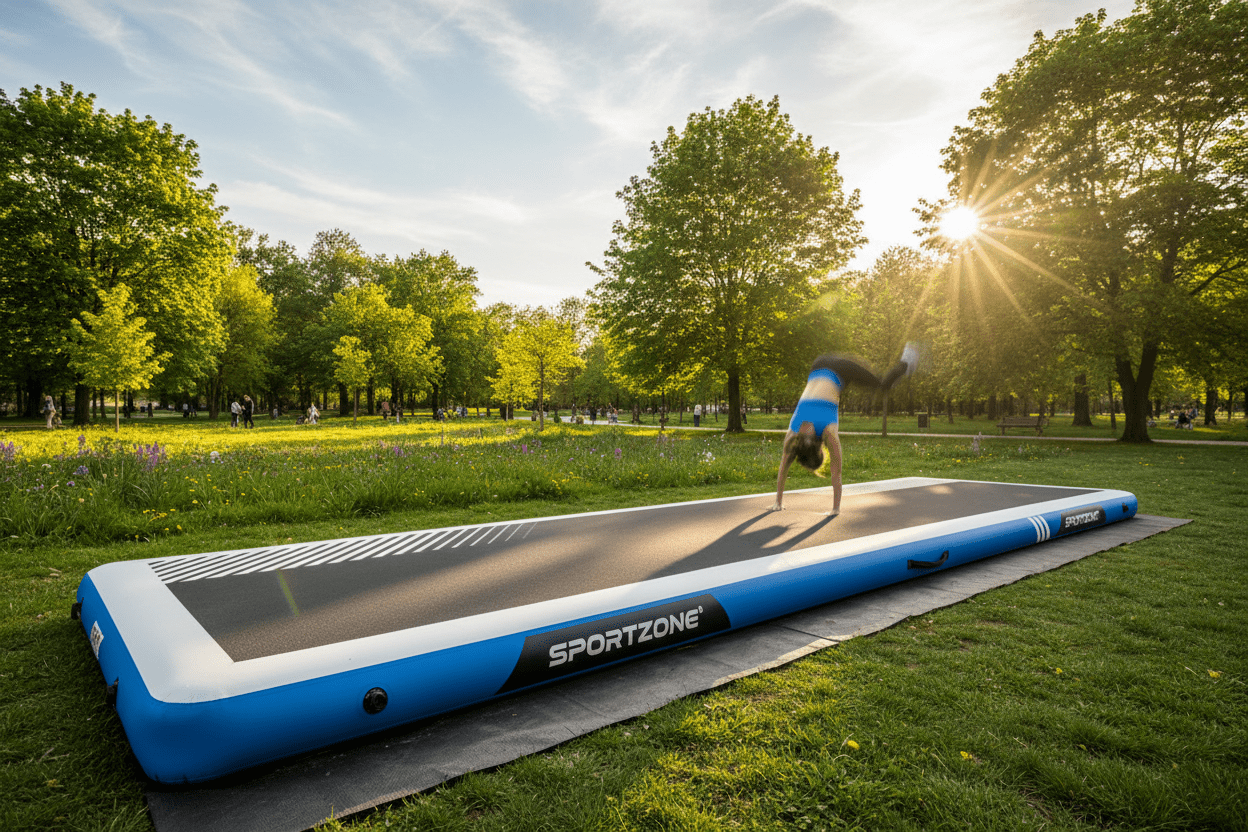
The Air Track Mat is a good example if you want impact absorption for tumbling, drills or floor-based training. It is also easy to move and store. For anyone building a flexible home gym NZ setup, accessories like this can fill gaps without crowding the room.
How to set up a home gym that fits your training style
Your home gym should match your current fitness level, not your ideal one. If you are starting out, make the setup simple enough that you can begin without overthinking. If you are more experienced, use your space to support the type of training you already know works for you.
Good home gym ideas for small spaces usually look tidy and deliberate. There is a place for each item, and nothing in the room creates friction. That makes training easier to start and easier to repeat, which matters more than having a lot of gear.
Build your setup around your current fitness level
If you are new to exercise, start with a bench, a mat, light resistance and one cardio tool. You do not need a full strength station on day one. Simple equipment lets you learn good form and build a habit without feeling overwhelmed.
If you already train regularly, add equipment that supports progression. The Multi-Station Bench offers more exercise variety, while the Pilates Reformer suits controlled core and bodyweight work. Your level should guide your purchase, not the other way around.
Create a layout that keeps training simple and safe
Set the room up so the first thing you see is the equipment you will use most. Keep the entry clear. Store smaller items nearby, and leave enough open floor to warm up, stretch and move through exercises without obstacles.
If you like a clean visual setup, group similar items together. Put cardio gear in one zone and strength gear in another. That structure works well in a garage gym and helps the space feel organised, even if it is small.
Add equipment in stages as your routine changes
Most people build a useful gym over time. Start with the essentials, train for a few months, then review what is missing. If you find yourself skipping cardio, choose a machine that is easier to use. If you are outgrowing bodyweight work, add a better bench or strength station.
This staged approach prevents overspending and makes the room easier to adapt. It also helps you buy gym equipment NZ that suits how you actually train, not how you think you might train later.
Final thoughts
A good home gym is practical, not complicated. Start with the training style you will use most, then choose equipment that fits your floor space, your budget and your comfort level. That is the simplest way to build a setup you will keep using.
If you want a reliable starting point, focus on one cardio choice, one strength base and a few accessories. From there, add only what improves your routine. That approach gives you a home gym NZ setup that works now and can grow with you later.